A: A Rack Cabinet is designed according to international standards, specifically built to accommodate IT equipment, and helps manage systems efficiently.

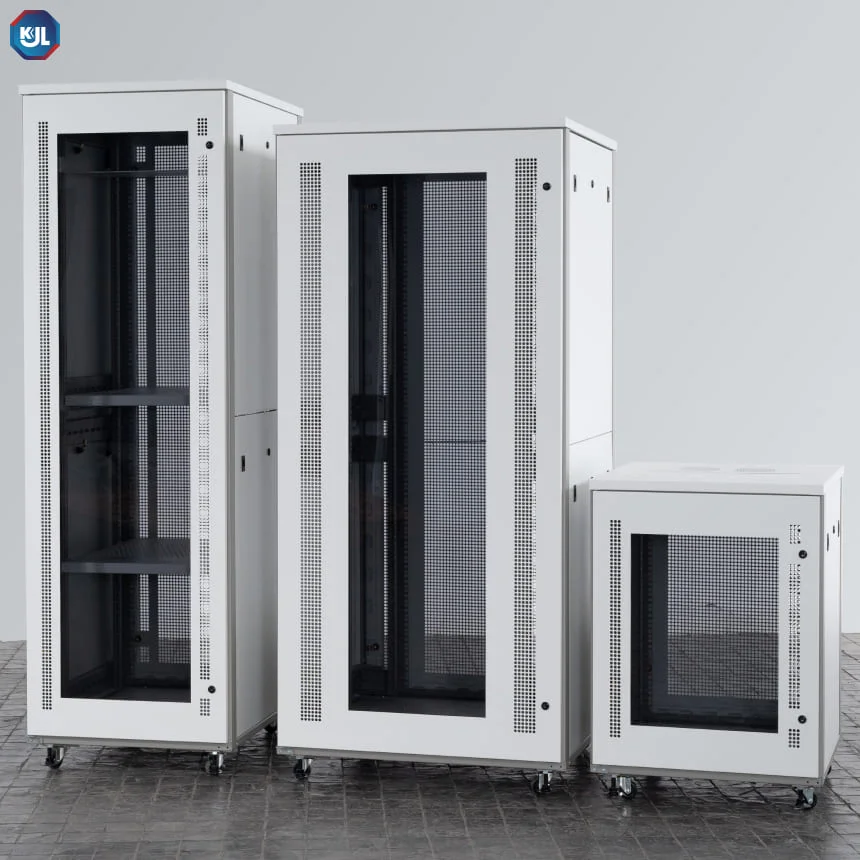
A Rack Cabinet (Server Rack) is a cabinet used to house IT-related equipment so that devices can operate continuously. Height is measured in units called U (Rack Unit), where 1U equals 1.75 inches, allowing equipment from multiple manufacturers to be installed together with a perfect fit. The internal width follows the international standard of 19 inches, which helps save space and also prevents access by unauthorized personnel.
A 19-inch Rack is an international standard steel structure designed to house IT equipment such as servers and networking devices vertically. The number “19 inches” refers to the width of the device’s front panel measured from the left mounting ear to the right, following the EIA-310 standard, which allows equipment from different brands to be installed together systematically.
The origin of this number dates back to the early 20th century, beginning with the standard set by Western Electric, which used it for installing railway signaling equipment and telephone switchboards. This was because it represented the most balanced size between “available space” and “human ergonomics”, allowing convenient access for maintenance. Later, the radio and audio industries adopted this standard, until it officially became a global standard in 1943. Even as technology has advanced tremendously, the 19-inch standard is still used worldwide because of:
Key equipment commonly installed inside a Server Rack Cabinet includes:
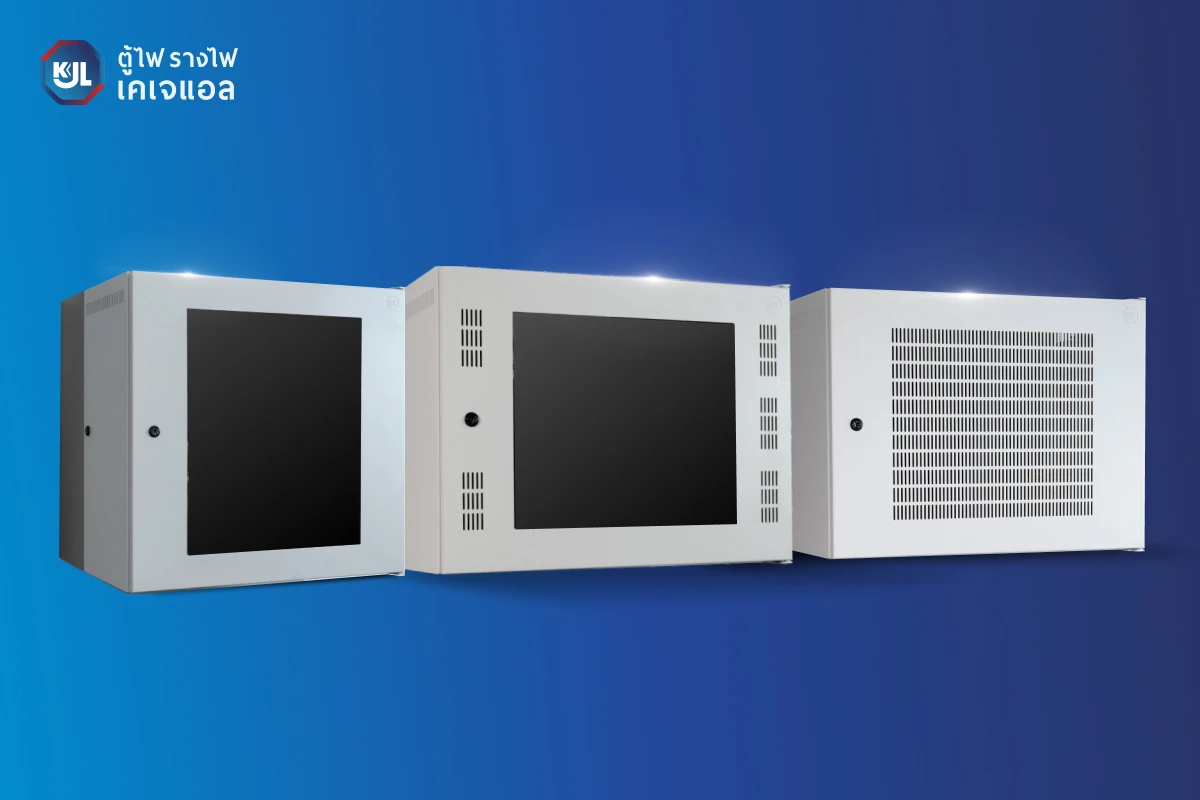
Wall-mounted rack cabinet, ideal for housing a small amount of equipment, such as switches, patch panels, or small UPS units.
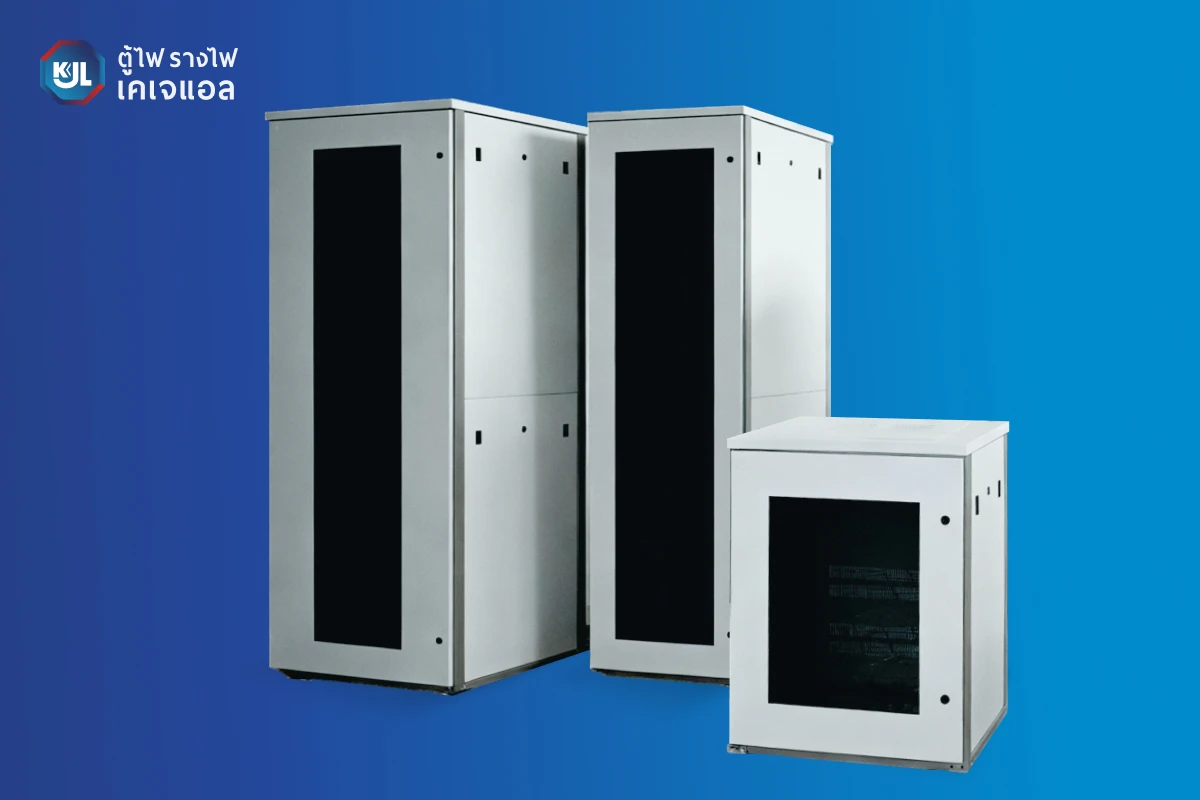
Floor-standing rack cabinet with an acrylic door panel, ideal for general server rooms that require tidiness, security, and dust protection for equipment.
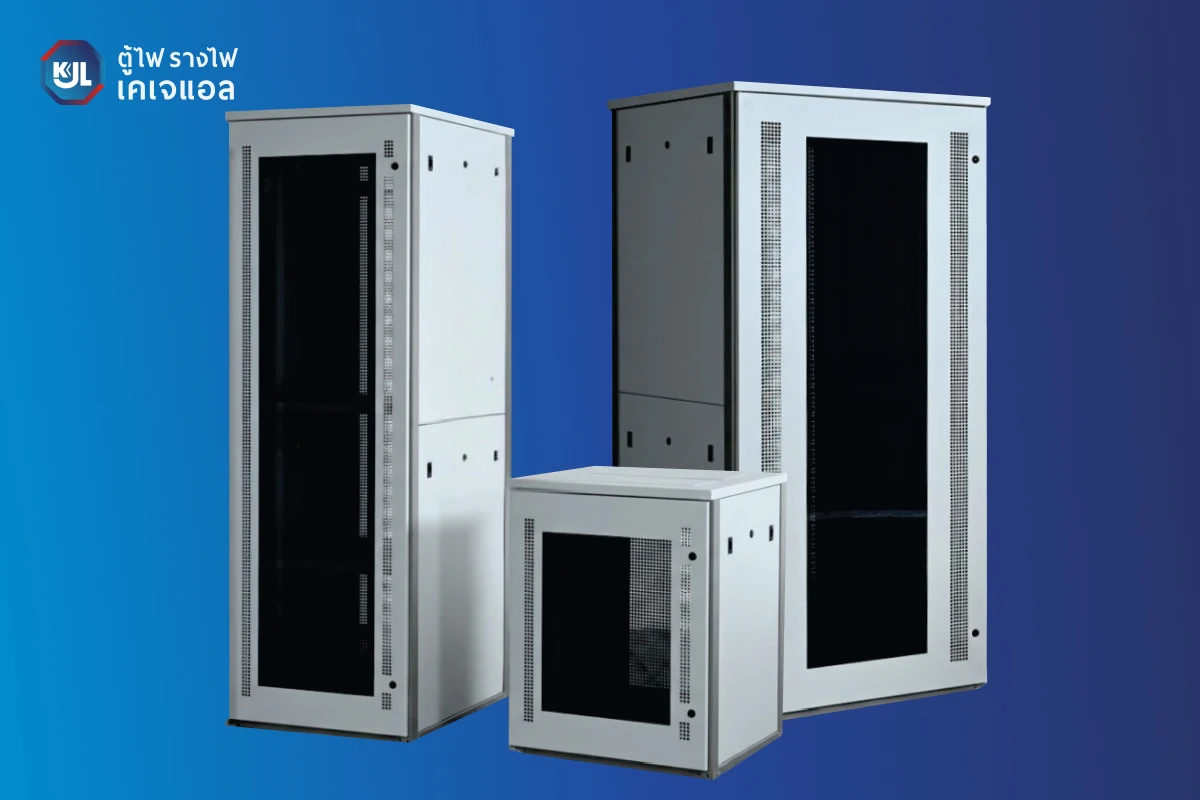
Floor-standing rack cabinet with perforated ventilated door panels, ideal for Data Center rooms housing large numbers of servers that require high airflow efficiency.
| Size (U) | Rack Cabinet Type | Suitable Applications |
|---|---|---|
| 6U – 12U | Wall Rack | Ideal for small branch offices with limited equipment, such as switches and routers. Used to store IT equipment neatly, attractively, and while saving space. |
| 15U | Cabinet Rack, Server Rack | Ideal for placement under a desk or in the corner of a small office room. Easy to move and simple to use. |
| 27U | Cabinet Rack, Server Rack | Medium-sized floor-standing rack cabinet at chest-to-eye level height (approximately 1.3 meters), ideal for locations requiring frequent equipment maintenance without excessive bending or climbing. |
| 36U – 39U | Cabinet Rack | Large floor-standing rack cabinet, ideal for server rooms requiring high capacity but with ceiling height limitations. |
| 42U – 45U | Cabinet Rack, Server Rack | Rack cabinet for Enterprise-level Data Centers, supporting maximum equipment density, ideal for full-scale server rooms requiring highly efficient heat dissipation systems. |
K-RACK Server series for IT and Data Center — a rack cabinet designed to meet the needs of new market segments, such as the communications and telecommunications industry, whether in IT or information technology in Thailand, which is rapidly growing and serving as vital infrastructure to support the fast-growing digital era, with distinctive standout features.

Manufacturing technology from Germany
and painting technology from Switzerland

Passed corrosion resistance testing
for up to 240 hours

1.2–2.0 millimeters thick
Smooth, attractive surface finish

Swiss painting technology that prevents rust
for long-lasting durability